How Can a Solar Generator Keep Your Lights On During a Storm?
2026-02-12 15:56:55
Severe weather can interrupt household electricity with little warning, leaving homes in sudden darkness. A solar generator offers a practical way to prepare for these moments without relying on fuel or complex installation. By storing energy ahead of time, it provides a quiet and dependable backup source when the grid goes down. Unlike traditional generators, solar-powered systems are safe to use indoors for lighting and small electronics. Understanding how they work helps families stay calm and organized during outages. In this article, the simple steps and features that allow a solar generator to keep essential lights running during a storm will be explained.
1. Charge Before the Storm
Collect and store solar energy in advance
Preparing before bad weather arrives makes a major difference in how useful a solar generator will be. Solar panels can gather sunlight during clear days and send that energy into the battery for later use. This stored power remains available even when clouds and rain block the sun. Larger-capacity units, including options like the Anker SOLIX F2000 Portable Power Station, are designed to accept significant solar input and hold enough energy to support household lighting for extended periods. Pairing strong storage with efficient charging allows homes to build a reserve without complicated setup. Charging ahead of time ensures that backup energy is ready when it is needed most.
Battery holds power until needed
Once charged, the internal battery safely stores electricity until an outage occurs. High-quality batteries are built to retain energy with minimal loss over time. This means a unit charged days earlier can still provide reliable power during a sudden storm. Built-in monitoring systems often display remaining capacity clearly, helping users plan usage. Stored energy can be directed to essential devices rather than noncritical appliances. A well-maintained battery becomes a dependable emergency resource.
2. Use Safely Indoors
No fuel or fumes required
Solar generators operate without gasoline, diesel, or propane, making them safe for indoor use. Traditional fuel generators release exhaust gases that require outdoor placement and careful ventilation. Battery-powered systems eliminate this risk entirely. This allows lights and electronics to run inside without opening windows or doors during bad weather. The absence of fuel also removes the need for storage and refilling. Cleaner operation makes solar generators more convenient for families.
Quiet, emission-free operation
Battery-based power systems run almost silently compared to engine-driven machines. This quiet performance is especially helpful at night when loud noise can add stress. It also makes it easier to hear weather alerts, emergency broadcasts, or communication devices. Emission-free operation keeps indoor air comfortable and safe. The lack of vibration or fumes contributes to a calmer environment during an already tense situation. Quiet reliability becomes one of the most appreciated features.
3. Power Essential Lights
Run LED bulbs and lamps efficiently
Modern LED lighting is highly energy efficient, making it ideal for backup power use. A single LED bulb often uses fewer than 10 watts units while providing bright illumination. This low demand allows multiple lights to run for many hours on stored energy. Floor lamps, desk lamps, and clip lights can all plug directly into a solar generator’s AC outlets. Spreading small lights around the home improves safety and visibility. Efficient lighting stretches battery life significantly.
Also charge phones and radios
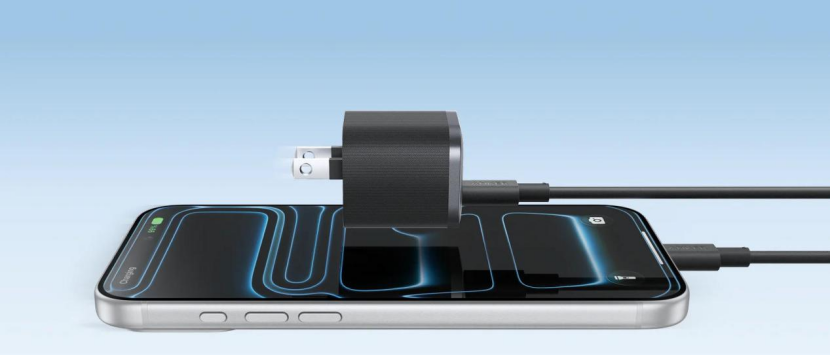
In addition to lighting, communication devices are critical during storms. Solar generators typically include USB and AC outlets that can charge phones, tablets, and weather radios. Keeping these devices powered ensures access to emergency information and contact with family members. Small electronics draw relatively little energy, so they have minimal impact on overall runtime. Charging cables can remain connected for convenience. Maintaining communication helps households stay informed and reassured.
4. Set Up Quickly
Portable and easy to move
Most solar generators are built with portability in mind so they can be moved where needed. Compact designs with handles or wheels make repositioning simple, even in low light. This flexibility allows users to bring power closer to the rooms being used. Moving the unit indoors before a storm also protects it from harsh weather. Portable design ensures backup energy is available exactly where it is most useful. Easy mobility adds to overall convenience.
Plug in lights and go
Using a solar generator during an outage is usually straightforward. Once the unit is powered on, lights and small devices can be plugged in just like they would be with a wall outlet. Clear displays often show remaining battery levels and output usage. This helps prevent accidental overload and encourages balanced energy use. No complicated wiring or installation is required. Simple setup makes the system accessible to all household members.
5. Stay Prepared
Keep charged during storm season
Regular charging is key to reliable emergency performance. During seasons known for severe weather, keeping the battery topped up ensures readiness. Solar charging can maintain levels gradually even when the unit is not actively in use. Periodic checks of cables and connections also help confirm everything is working properly. A little routine attention prevents last-minute problems. Consistent preparation builds confidence in the system.
Reliable backup when the grid fails
When the power grid goes down, a prepared solar generator provides immediate support. Lights turn on, communication devices stay active, and daily disruption is reduced. Having a dependable backup reduces anxiety during unpredictable conditions. Stored solar energy offers independence from fuel availability or noise restrictions. Reliability during emergencies makes the system a valuable household tool. Peace of mind becomes one of its most important benefits.
Conclusion
Solar generators offer a clean and practical way to maintain essential lighting during storms and outages. By storing energy in advance and delivering it safely indoors, they provide dependable backup without fuel or noise. Efficient lighting and device charging stretch available power over many hours. Quick setup and portable design make them easy to use in stressful situations. With proper preparation, a solar generator becomes a reliable part of household emergency planning and everyday readiness.