How Do Home Solar Panels Perform Well During Cloudy Weather?
2026-02-12 15:54:56
Home solar panels continue generating electricity during cloudy weather because they rely on both direct and diffuse sunlight. Even when clouds scatter or soften the light, the panels convert available photons into usable energy. Cloudy conditions also follow predictable patterns, which helps homeowners plan their consumption and storage habits with more confidence. Portable solutions reinforce this understanding. When someone uses a tool like the Anker SOLIX PS400 Portable Solar Panel, they can observe how angle adjustments and quality monocrystalline cells still capture meaningful energy in low-light conditions. These principles reveal why panels solar home systems remain effective even when the weather shifts unexpectedly.
How Solar Design Supports Cloudy-Day Performance?
Monocrystalline Cells Capture More Diffused Light
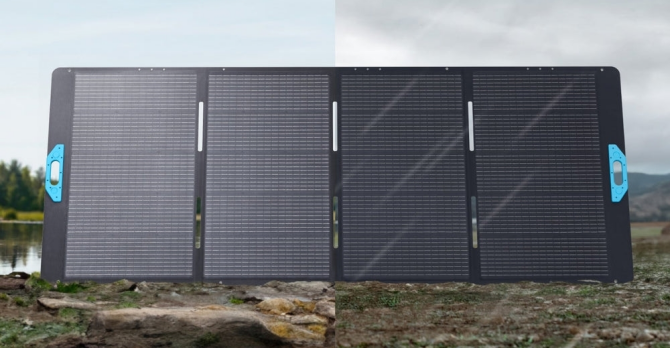
Modern home solar systems use monocrystalline solar cells that perform efficiently even with reduced sunlight. These cells respond well to scattered photons, which dominate on cloudy days. Their dense crystal structure allows them to maintain output without requiring direct beams of sunlight. Homeowners notice that while production dips, it rarely stops entirely. A portable example illustrates this clearly. The PS400 uses high-efficiency monocrystalline cells that deliver strong charging performance even when the sky is overcast. Users see consistent, usable output because the panel’s surface captures both soft and indirect light. This design advantage makes cloudy-day performance less of a limitation and more of a manageable factor in daily energy planning.
Panel Orientation Maximizes Low-Light Capture
Correct positioning plays a major role in cloudy-weather performance. Panels angled toward the brightest part of the sky, even when clouds block the sun, absorb more diffused sunlight. Rooftop systems achieve this through fixed tilt choices that match the region’s latitude. Portable systems offer even more flexibility. The PS400 includes four preset angles—30°, 40°, 50°, and 80°—so users can adjust its position as lighting changes. On cloudy days, a steeper angle often helps capture more ambient light from the sky. By actively orienting panels for low-light conditions, homeowners maintain steadier output and reduce the performance gap between clear and cloudy periods.
Advanced Surface Treatments Boost Light Absorption
Some panels perform well during cloudy weather because their surfaces are engineered to trap more light. Textured coatings reduce reflections, helping the cells absorb more diffuse photons. Anti-reflective layers also enhance low-light responsiveness by increasing the usable light entering the cell. Portable models integrate similar principles. When users unfold the PS400, they benefit from its sunlight-trapping surface, which improves absorption regardless of weather conditions. This type of design helps reduce output volatility and supports a consistent sense of reliability. By understanding how surface treatments influence performance, homeowners can better appreciate why their solar array still generates stable energy when skies turn gray.
How Homeowners Maintain Steady Output During Cloudy Periods?
Storage Systems Smooth Out Production Swings
Energy storage plays a major role in maintaining predictable home power during cloudy weather. Batteries collect excess energy during bright periods and deliver it when clouds reduce panel output. This buffering effect makes a home’s energy supply feel steady even when conditions fluctuate outside. Portable setups demonstrate this on a smaller scale. When a homeowner pairs the PS400 with a compatible power station, they see how stored energy keeps devices running during cloud cover. The pairing shows why storage turns solar from a variable input into a dependable resource. With strong planning and adequate capacity, cloudy weather becomes a manageable variation rather than a disruption.
Smart Consumption Patterns Improve Reliability
Cloudy days encourage smarter household scheduling. Instead of running multiple high-demand appliances during low production windows, homeowners gradually adjust their routines to match available energy. They may run washers or charge devices when solar output is highest and reserve cloudy periods for lighter consumption. Portable systems reinforce these habits. Users watching the PS400’s charging speed during changing weather quickly learn how the output adjusts with cloud density. This real-time feedback builds a deeper understanding of energy rhythms, helping households create consistent routines anchored in solar performance. Such habits make cloudy weather less stressful and more predictable in terms of energy planning.
Supplemental Tools Expand Flexibility
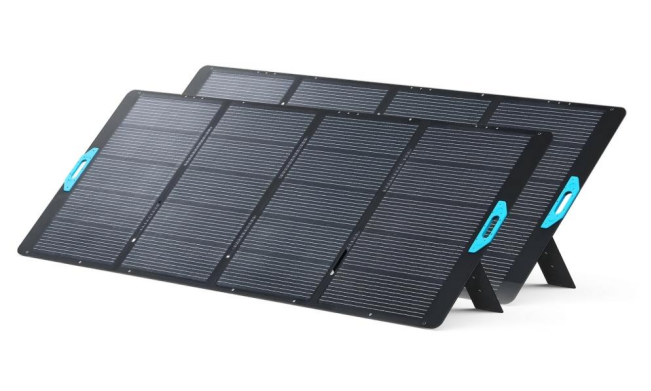
Some homeowners support their main solar arrays with flexible tools that perform well in variable weather. A portable panel such as the PS400 offers extra production capacity when the main system faces reduced sunlight, especially because it can be repositioned easily to chase the brightest part of the sky. Its IP67 protection allows it to remain outside without concern during wet or changing conditions. By providing supplemental energy, it improves reliability on days when rooftop arrays experience heavier losses. This layered approach gives homeowners a more stable supply profile and builds confidence that their solar setup can adapt effectively to weather-related drops in output.
Conclusion
Home solar panels perform well during cloudy weather because their design, cell structure, and positioning strategies allow them to capture diffused sunlight effectively. Homeowners strengthen that performance by using energy storage, adjusting consumption timing, and integrating portable tools that add flexibility in low-light conditions. The Anker SOLIX PS400 Portable Solar Panel demonstrates how thoughtful engineering and adjustable angles maximize light absorption even on gray days. These principles help homeowners maintain consistent energy expectations, reducing the impact of weather variability. As a result, cloudy conditions become less of a limitation and more of a predictable part of a well-planned solar energy system.