How to Choose the Right Charging Cable for Phones?
2025-12-16 15:07:26
Choosing the appropriate charging cord for your phone is critical for quick, safe, and dependable charging. Not all cords are the same, and using the wrong one might hinder charging, harm your device, or shorten battery life. Consumers sometimes ignore cable quality, concentrating instead on length or pricing, which can lead to irritation. A good cable ensures that your device charges effectively and transfers data as needed. This tutorial discusses the many types of cables available, how to verify compatibility, variables that influence charging speed, and characteristics that make a cable last and be safe. Understanding these points will help you choose the best cable for your phone.
What Types of Charging Cables Are Available?
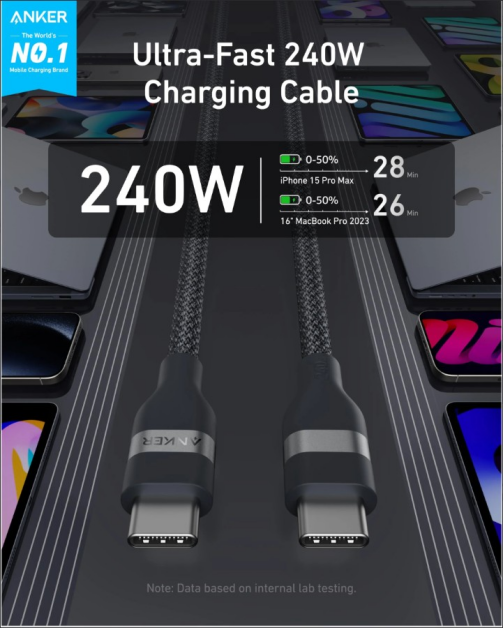
The type of charging cable depends on the device and the technology. The most common cables include USB-A to USB-C, USB-C to USB-C, and Apple Lightning. Older phones and gadgets use micro-USB cables. Data transmission speeds and power supply vary by kind; thus, selecting the optimal one is critical. Lightning cords are built for iPhones and iPads, but USB-C connectors offer more power and faster charging. Some cables are plastic-coated, while others are reinforced for durability. Knowing your device's port and power needs allows you to select a cable for charging and data transfer.
How Do You Know Which Cable Is Compatible?
Match the Cable to Your Phone's Charging Port
Compatibility begins with recognizing your phone's charging port. Most contemporary Android smartphones utilize USB-C, whereas older Android phones use Micro-USB. Using a cable that fits your port provides a correct connection and protects both the cable and the device. Avoid shoving a cable into an incorrect port, since this might bend connections or damage internal components. Furthermore, some gadgets offer numerous ports, thus selecting the most sophisticated option available enables quicker charging. Before purchase, always check the cable's connection type and your device's port to ensure a snug fit and efficient charging each time.
Check the Cable's Power and Data Capabilities
Not all cables have the same power or data speed. Some merely provide basic charging, while others enable quick charging and high-speed data transfer. To ensure that the cable meets the demands of your device, check the amperage, voltage, and data rate parameters. For example, a cable rated at 3A or greater is optimal for quick charging, but lower-rated connections may charge slowly. Data transmission rates are important if you routinely sync files or back up your phone. Look for USB 2.0, 3.0, or greater requirements to guarantee fast data transfer. Choosing the proper cable ensures that your phone charges rapidly and data is transferred correctly.
Watch for Manufacturer-Specific Requirements (e.g., Apple MFi)
Cables must be certified for certain devices. MFi-certified Lightning connections provide secure charging and data transfer for Apple devices. Uncertified wires may damage devices, delay charging, or cause mistakes. Sometimes, Android manufacturers recommend cords that meet their rapid charging specifications. Examine the manufacturer's website or box for certification labels. Certified cables assure safety, power supply, and proper device operation. When in doubt, get cables from reputable companies or the device manufacturer. This approach minimizes risks and charges your phone safely, with no interruptions or hardware issues.
What Affects Charging Speed in Cables?
Cable Thickness and Internal Wiring
Charging speed largely depends on cable construction. Thicker cables usually contain higher-gauge wires that carry more current, enabling faster charging. Poorly made cables with thin wiring can cause voltage drops, slow charging, and generate heat. Look for an iphone 17 charging cable labeled with high-quality copper or similar conductive material. Internal shielding also improves performance by eliminating interference and ensuring a constant power supply. Longer cables are convenient, but they may impair charging speed if the internal wiring is insufficient. Choosing a cable with the appropriate thickness and quality materials results in faster, safer, and more dependable charging. Examine product descriptions carefully to choose a cable designed to meet your device's power requirements.
Fast Charging Support: PD, QC, and Wattage Ratings
Cables and phones must fulfill rapid charging requirements. Qualcomm Quick Charge (QC) and USB Power Delivery (PD) are two fast charging techniques. PD cables improve speed by automatically altering voltage and current, whereas QC cables provide more power to compatible devices. Check the wattage ratings—higher cables convey more power safely. A decent cable will not charge quickly if your device or adapter does not support certain protocols. Reading product specifications and matching them to your device increases charging efficiency. Fast charging with the suitable cable saves time and keeps the battery healthy.
Don't Ignore the Power Adapter Match
A suitable power adapter and cable are required for fast charging. High-speed cables with low-output adapters reduce performance. Check that your adapter's voltage and amperage requirements match those of the device or cable. A PD-compatible charger is required for best performance when using a USB-C PD cable. When the cable is paired with the appropriate adapter, it allows for more steady current flow, faster charging, and lower heat. Mismatches can cause charging to take longer or to activate safety mechanisms, reducing efficiency. Check the cable and adapter ratings to ensure that they satisfy your phone's safe, fast, and dependable charging requirements.
What Features Make a Cable Durable and Safe?
Reinforced Tips and Braided Exteriors
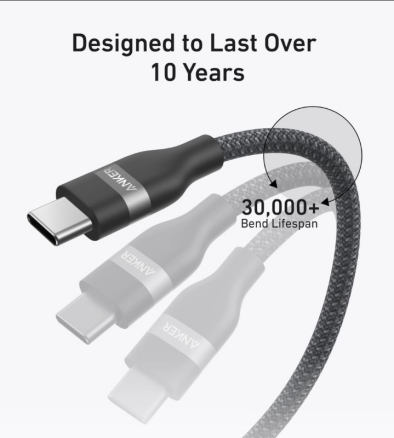
Cables with braided exteriors and reinforced connector points are highly durable. Reinforced tips decrease fraying and bending at connecting points, which are the most common sources of failure. Braided wires are resistant to tangling, straining, and abrasion, making them last longer. Nylon and Kevlar are both durable and flexible. Strain relief around connectors in particular cables helps to alleviate stress from frequent bending. A good cable prevents recurring repairs and protects your device from faulty wiring. Users who constantly charge their phones, carry wires in backpacks, or often connect and disconnect gadgets require durability.
Heat Resistance and Anti-Tangle Design
Its heat-resistant and anti-tangle design provides safe and efficient charging. Heat-resistant cables keep equipment and people safe from melting or internal damage while delivering high power. Knotting can strain internal wires and cause short circuits; thus, flat or braided cables prevent it. Flexible insulation allows some wires to bend repeatedly without breaking. These design features ensure long-term performance. Choose heat-resistant, tangle-free cables to reduce dangers and increase service life. These cables charge and transfer data swiftly while keeping your phone safe.
Safety Certifications and Warranty
Safety certifications and warranties verify cable quality and durability. UL, CE, and RoHS certifications demonstrate compliance with electrical safety, environmental standards, and performance requirements. Certified wires have been checked for overheating, short circuits, and other potential hazards. Warranties give replacements for faults and demonstrate product durability. Warranty brands invest in high-quality materials and production. Discard cheap, uncertified wires that might jeopardize device safety. Certified cables with warranties work reliably, protect your phone, and last longer, giving you peace of mind and performance.
Conclusion
Consider compatibility, lifespan, and performance while selecting a charging cable. Verify power and data capabilities, match cable type to device, and take manufacturer requirements into account. Charging speed is influenced by adapter pairing, cable thickness, and capability for rapid charging. Durability is ensured by the anti-tangle design, heat resistance, braided exteriors, and reinforced tips. Lastly, safety certifications and guarantees boost trust. By taking these factors into account, you may choose a cable that protects, charges, and lasts for your phone. Daily charging is safer, faster, and simpler with carefully chosen cables.