Why Choose a Wireless Charger Over Wired Power?
2025-12-16 15:09:16
Device use is influenced by whether to use a cable or wireless charging. Because wired chargers are faster or more recognizable, many prefer them. Wireless charging does have advantages, though. These days, wireless pads and stands simplify charging, protect device ports, and conserve space. Unlike wires that break, bend, or require constant reconnecting, wireless chargers let you put your phone down and charge it instantly. You can make a better decision if you understand how wireless charging operates and when it works best. Your lifestyle and the way you use your smartphone will determine the optimum charging method.
How Does Wireless Charging Work?
The Basics of Qi Wireless Technology
Wireless charging employs electromagnetic induction to deliver energy from a pad to your device without requiring a physical connection. The most extensively used technology is the Qi standard, which is compatible with a wide range of phones, earphones, and accessories. When a power source is linked to an internal coil in the charger, an electromagnetic field is created. Your gadget has a matching coil that transforms the field into an electrical current, which charges the battery. This method removes the need for cables and connectors. Because Qi is widely accepted, a single wireless pad may frequently charge numerous brands and types of devices, making charging easier and eliminating the need for multiple connections in everyday life.
Magnetic Alignment vs Coil-Based Charging
Wireless charging works by transferring electricity through coil-based induction or magnetic alignment. Traditional coil-based pads require the transmitter and receiver coils to be aligned for optimum charging. MagSafe and the Qi2 Magnetic Power Profile use built-in magnets to help devices align correctly. So charging is efficient without constant adjustment. Magnetic alignment improves charging speed over coil-only variants. It makes charging easier while using your device, saving you time and stress. Magnets allow electronics to snap into place, making wireless charging easier and more reliable.
Compatible Devices: iPhone, Android, and More
Many gadgets support wireless charging. Many modern iPhones and Android phones support Qi, which allows them to charge wirelessly. Other than phones, earbuds, smartwatches, and accessories are all compatible. Wireless power advancements, such as higher wattage outputs and magnetic alignment, improve device compatibility. Check the device specifications and charger characteristics to ensure optimal performance. There is undoubtedly a charger for your iPhone, Android, or other wireless device. Wireless charging now supports a wide range of brands, making it simple for homes with several devices.
What Are the Real Advantages of Wireless Charging?
Convenience and Port-Free Charging
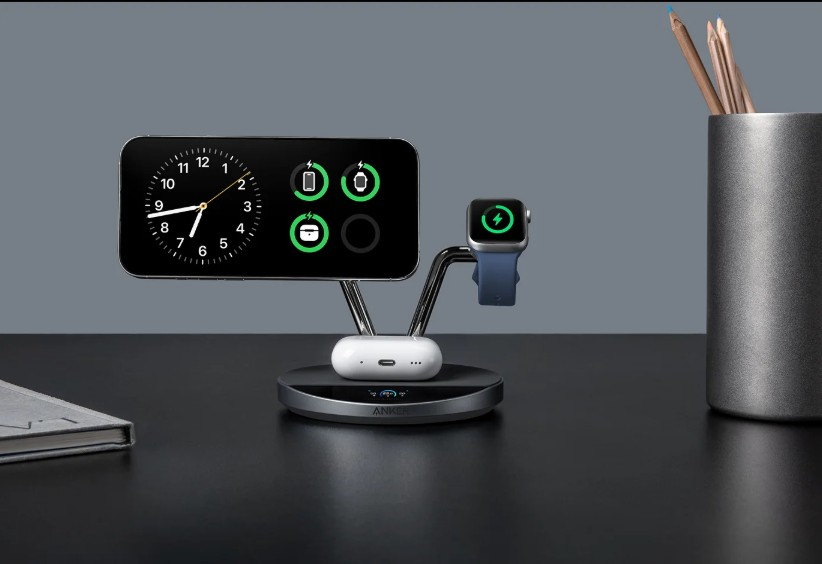
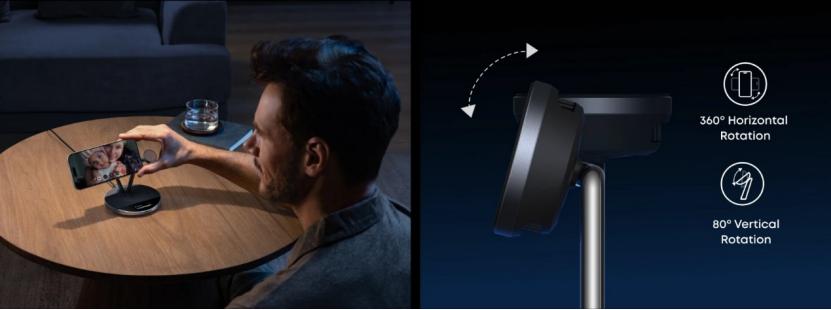
Wireless charging offers unparalleled ease. Users may lay their device on a pad or stand and begin charging immediately, without the need for any cords. This layout works great on nightstands, workstations, and kitchen countertops. It minimizes disruptions in everyday tasks and makes charging easier, especially when your hands are full. Some wireless stands allow handsets to be positioned vertically, keeping alerts visible while charging. During black friday sales, many people find it the perfect time to upgrade to wireless chargers for short bursts of top-up power throughout the day. It removes the need to fumble with cords, creating a smoother, more efficient charging experience for devices that are frequently used and set down multiple times.
Fewer Cables, Less Wear on Ports
Frequent wired charging may harm device ports. Constant plugging and unplugging can weaken connections and harm ports. Wireless charging solves this problem by removing the physical connection. Fewer wires help keep workplaces and living areas neat. A neat setup reduces clutter and tangled cords, making device use safer and more convenient. Wireless charging enhances the life of device ports while also ensuring reliable data transfer and charging. Wireless charging is a trendy approach to reducing device wear.
Safe Charging for Multiple Devices
Modern wireless chargers are designed to charge many devices simultaneously. Pads charge phones, earbuds, and smartwatches without the need for cords. Smart circuits prevent output overheating, overcharging, and power surges. Each device communicates with the charger to determine the appropriate voltage, ensuring safe and efficient charging. Wireless charging is a convenient all-in-one solution for multi-device homes and businesses. Users benefit from structured, dependable charging that does not require cables or adapters. The proper certified charger charges multiple devices safely and effectively, making wireless charging practical and secure for everyday use.
When Should You Choose Wireless Over Wired?
Best for Desks, Nightstands, and Offices
Wireless charging works best in situations where devices are regularly set down and picked up. A pad or stand on desks, nightstands, or office tables offers hands-free convenience that is easy to incorporate into everyday activities. While wired chargers provide faster power, wireless solutions allow customers to instantly access their devices without having to reconnect wires. This is great for overnight charging or quick top-ups during the day. Devices may remain on the pad throughout work periods, allowing them to easily maintain battery levels. Wireless chargers are a sensible solution for individuals who want regular short charges or a clean, organized workstation. They integrate seamlessly into daily routines and eliminate the stress of ongoing cable management.
Travel-Friendly Wireless Pads and Stands
Portable wireless chargers are small and lightweight, making them perfect for travel. A tiny pad or folding stand may fit neatly into a bag, avoiding the need for several cords and adapters. Many public places now accept wireless charging, but bringing your own pad ensures you have continuous juice wherever you go. Wireless pads eliminate disagreements over mismatched wires and prevent chargers from being left behind. A travel-ready wireless charger makes it easier to charge devices while on the road for customers who value simplicity and little gear. Its portability and ease of use make it an ideal companion for travelers, ensuring that gadgets are charged without adding unnecessary effort or clutter.
Conclusion
Wireless charging is convenient, reduces clutter, and puts less strain on device ports. It performs particularly well on desktops, nightstands, and for regular brief top-ups. While cable charging remains quicker, wireless chargers now provide better power output and more device compatibility. Magnetic alignment and multi-device charging make the procedure more convenient and safe. Users gain flexibility and efficiency by mixing wireless and wired solutions to meet their specific needs. For everyday convenience, tidy environments, and decreased cable wear, wireless charging gives a modern, practical choice for recharging phones, earphones, smartwatches, and more without the burden of frequent plug-and-play.